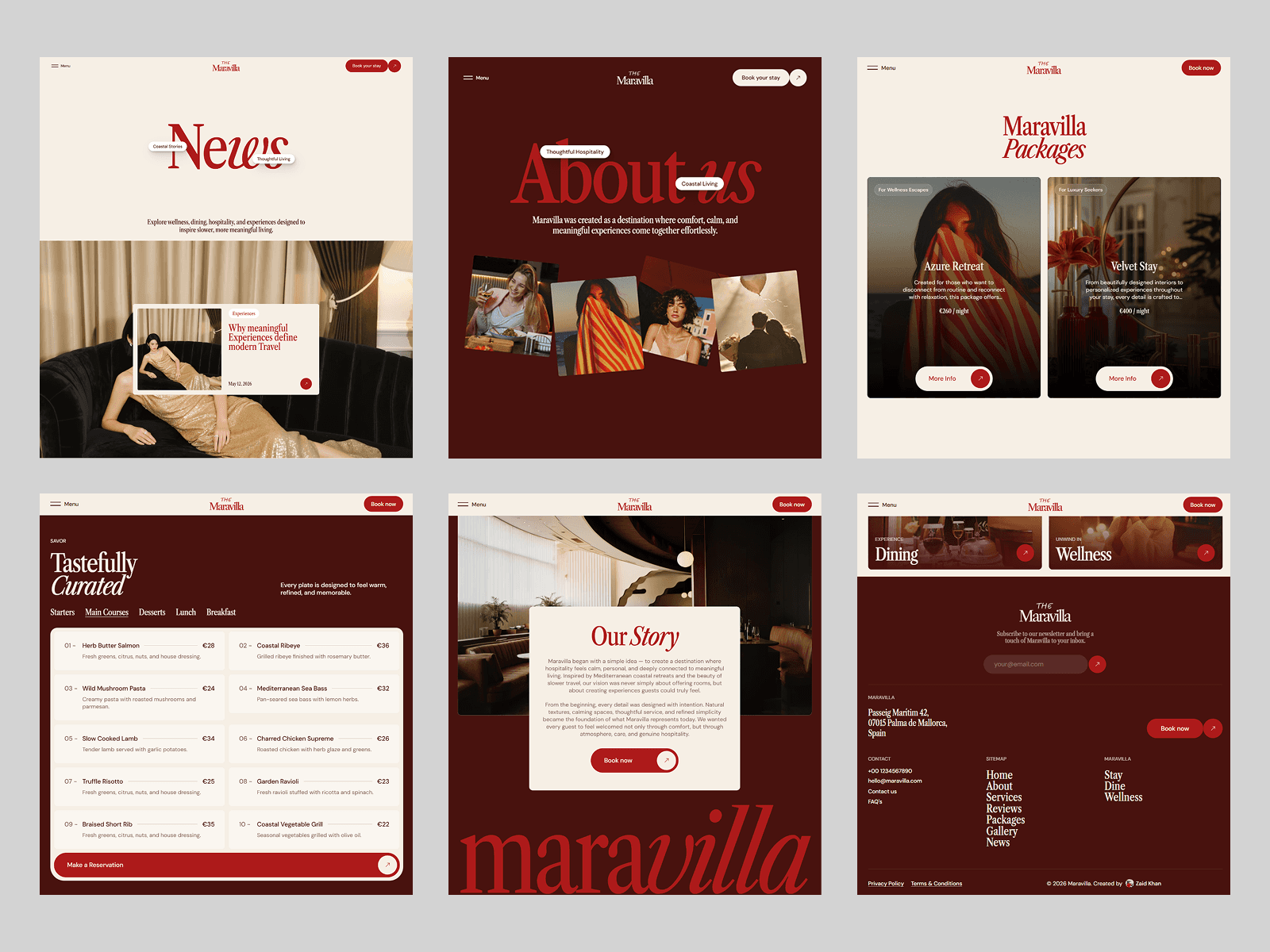
Design isn’t just about visuals — it’s about purpose. A strong design strategy ensures that every element, from layout to typography to interactions, serves a clear goal. It bridges business objectives with user needs, turning ideas into meaningful, effective experiences.
Start With Understanding
Every strategy begins with insight. Who are the users? What problems are they facing? Understanding the audience, their behavior, and motivations helps shape solutions that truly resonate. Research, interviews, and user personas form the foundation for thoughtful design.
Align Design With Goals
Design should never exist in isolation. Whether the objective is to drive conversions, build trust, or communicate a brand story, every choice should contribute to that goal. A strategic approach ensures design is purposeful, not just beautiful.
Iterate and Evolve
Design strategy is never static. Prototyping, testing, and refining ideas through feedback loops helps uncover hidden challenges and improves the user experience. Iteration ensures solutions are practical, intuitive, and impactful.
Consistency and Cohesion
A solid strategy keeps all design elements working together. Visual hierarchy, color systems, typography, and interactions should feel cohesive, guiding users naturally through the experience. Consistency strengthens brand perception and user trust.
Conclusion
Design strategy transforms creativity into action. By combining research, insight, and iterative problem-solving, it ensures that every decision is purposeful and every experience is meaningful. It’s the roadmap to design that truly works.