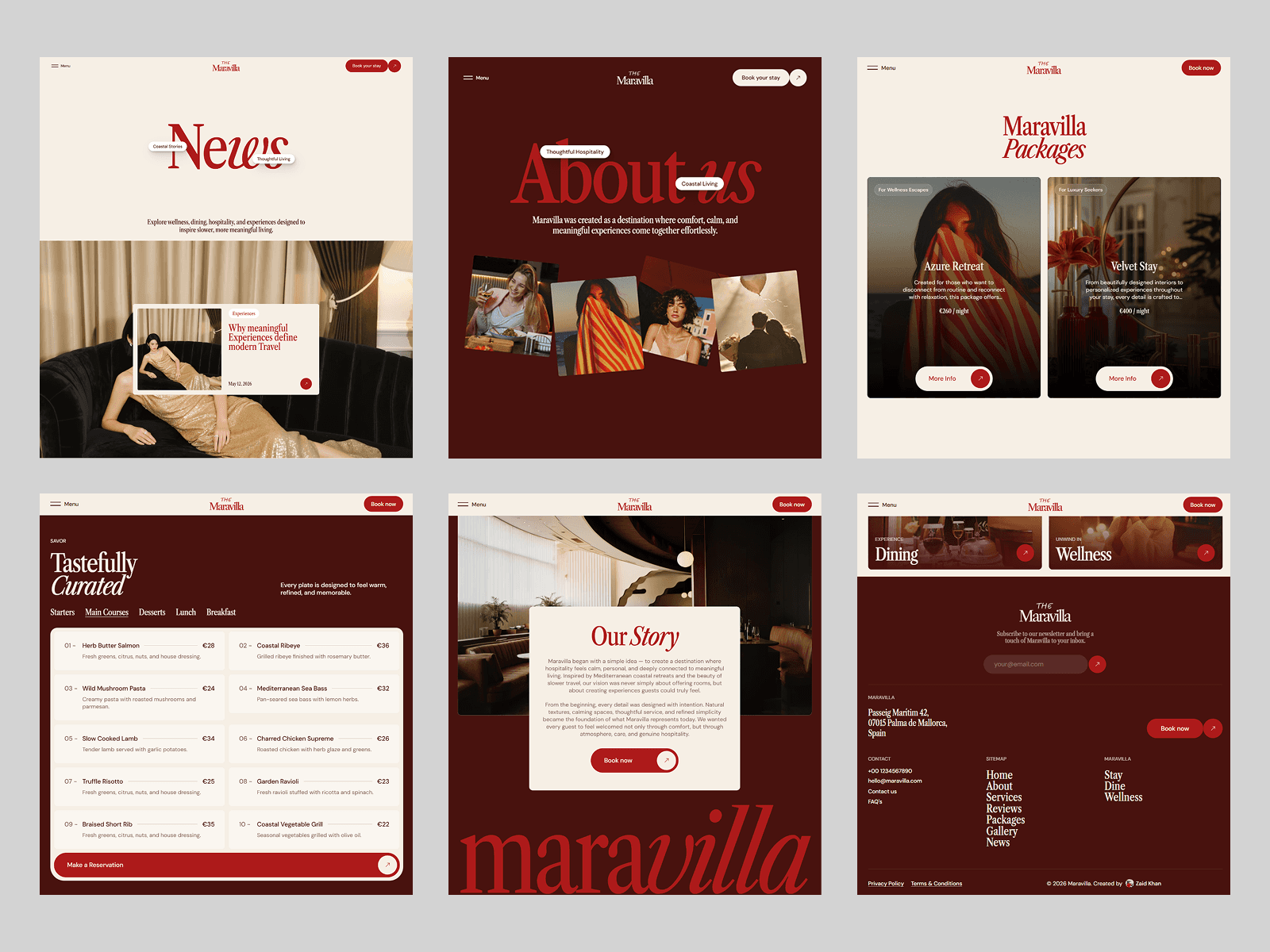
Design isn’t just about making things look good — it’s about solving problems, guiding users, and creating meaningful experiences. A strong design strategy connects business goals with user needs, ensuring that every visual, interaction, and decision serves a clear purpose.
Understanding the Audience
A successful strategy begins with empathy. Who are your users? What do they need? Understanding user behavior, pain points, and motivations allows you to create designs that resonate and drive engagement. Research, surveys, and persona development become the foundation for every design decision.
Aligning Business Goals with Design
Design must support the broader goals of a project. Whether it’s increasing conversions, building brand trust, or driving engagement, every element — from layout to typography to micro-interactions — should serve a purpose. A well-aligned strategy ensures design is not just aesthetic but effective.
Iterative Problem Solving
Strategy is an ongoing process. Prototypes, testing, and feedback loops refine ideas into practical solutions. Every iteration helps validate assumptions, uncover hidden challenges, and polish the experience. The result is a design that’s both innovative and functional.
Bringing Vision to Life
A clear design strategy bridges creativity and execution. It guides decision-making, reduces inconsistencies, and ensures the final product reflects the original vision. It turns abstract ideas into actionable plans, delivering experiences that delight users and achieve results.
Conclusion
Design strategy is the roadmap that turns creativity into impact. By combining research, business insight, and iterative design, it ensures that every element of a project is purposeful, user-focused, and aligned with the brand’s vision.